
Japanese tea

The Soul of Japanese Tea
The History of Japanese Tea Culture
Tea first arrived in Japan in the early 9th century, when Buddhist monks returning from Tang Dynasty China brought tea back with them. At the time, it was consumed exclusively among monks and the nobility, valued primarily as a medicinal drink.
Around 1200, the Zen monk Eisai returned from Song Dynasty China, bringing with him the knowledge of how to produce matcha, along with tea seeds. He began promoting tea as a health beverage, laying the foundation for what would become one of Japan’s most celebrated cultural traditions.
By around 1330, tea had captured the hearts of samurai warriors, and tea gatherings became fashionable among the nobility and military classes alike. Tea utensils became symbols of power and prestige.
In the mid-1500s, Sen no Rikyū ― widely regarded as the master who brought the art
of the tea ceremony to its highest form ― fundamentally reimagined the culture of tea.
He stripped away all extravagance and established the spirit of “wabi-sabi”:
Wabi (倁び) ― the beauty found in simplicity and modesty
Sabi (山び) ― the beauty found in the passage of time and the patina
of age
He went further still, enshrining four guiding principles within the intimate space of a tiny
tatami tea room:
Wa (和) ― harmony with others Kei (敏) ― respect for one
another
Sei (清) ― purity of heart and space Jaku (尿) ― the beauty
found within stillness and tranquility
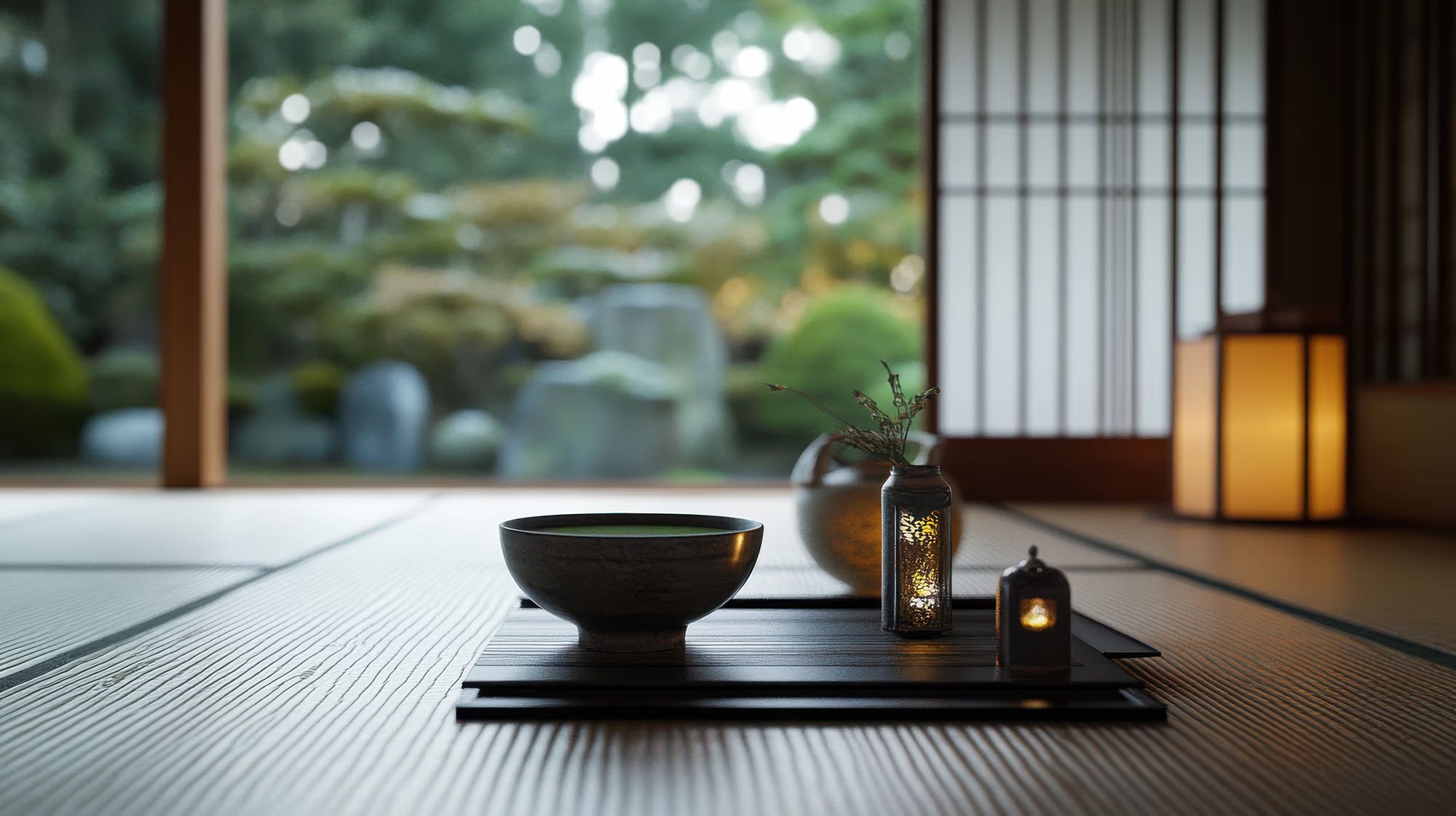
Within a tea room of just one and a half tatami mats, Rikyū found the very essence of beauty, and elevated the tea ceremony into a complete and total art form. It was also during this era that celebrated tea-producing regions such as Uji and Shizuoka became firmly established as the heartlands of Japanese tea production.
Today, approximately 40 schools of the tea ceremony are known to exist, and when broken down further into sub-schools, it is said that there are anywhere from 100 to 500 distinct traditions still practiced across Japan.
The Spread of Tea to Everyday Life
The tea culture that had long been the preserve of the upper classes gradually reached ordinary people during the Edo period around 1600, becoming a part of daily life for all.
A tea master named Nagatani Sōen spent approximately 15 years of tireless experimentation before completing a groundbreaking new production method in 1738. His process involved steaming freshly picked tea leaves, rolling them by hand, and drying them over heat. This “steaming method” became the defining characteristic of Japanese green tea, and the crucial difference that set it apart from Chinese tea forever.
With his newly created tea in hand, Sōen made the long journey on foot from Kyoto to Edo ― present-day Tokyo. He brought his tea to Yamamotoyama, one of the most prominent tea merchants in Edo at the time, a house that continues to thrive to this day. Its vivid green color and rich, captivating aroma astonished the people of Edo, and it was rapturously praised as “the finest tea under heaven.”
Yamamotoyama still stands today, with its flagship store in Nihonbashi, Tokyo ― a venerable institution with nearly 300 years of history, and a living testament to the legacy of Japanese tea.
—Te à la maison—
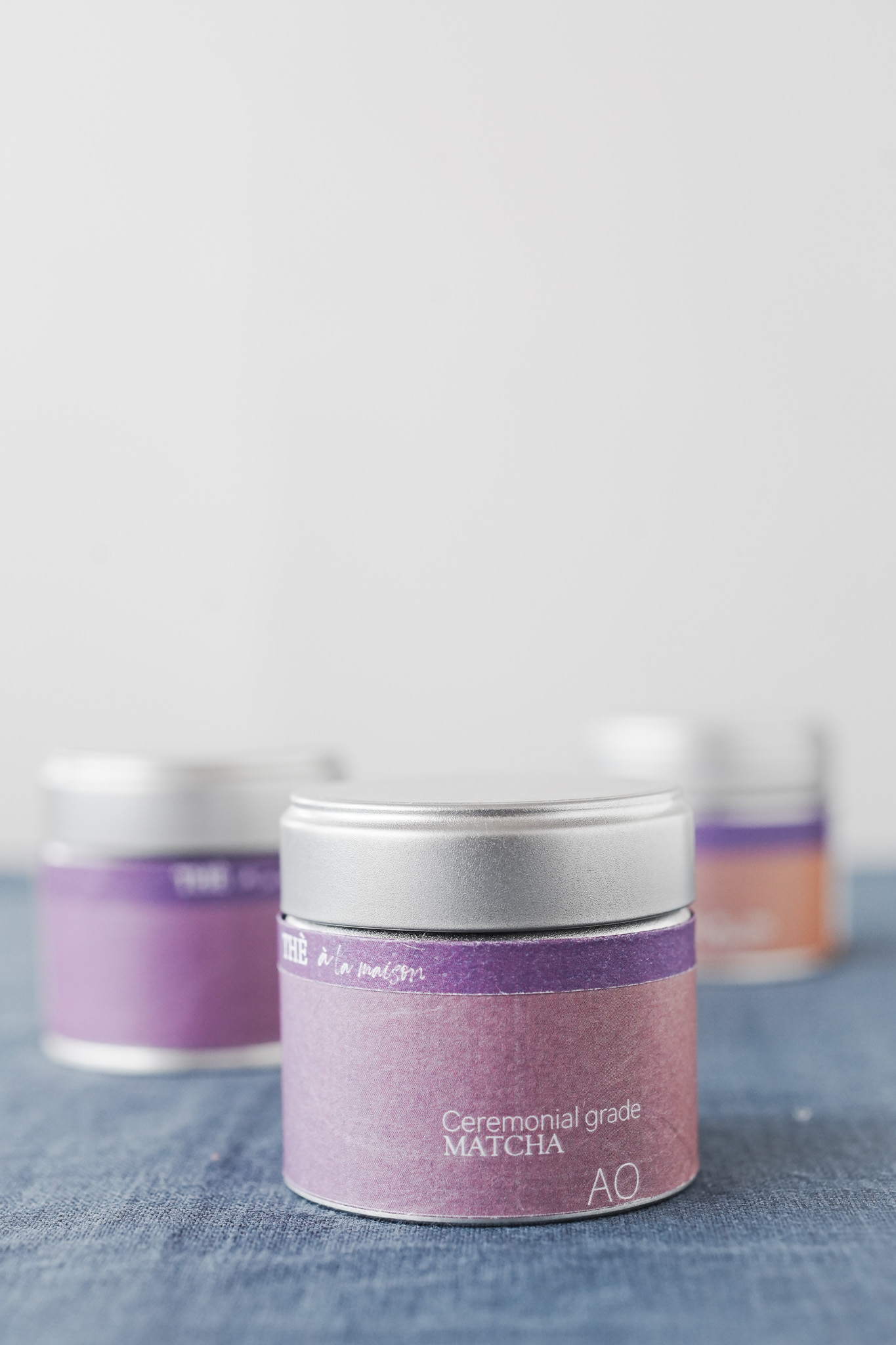
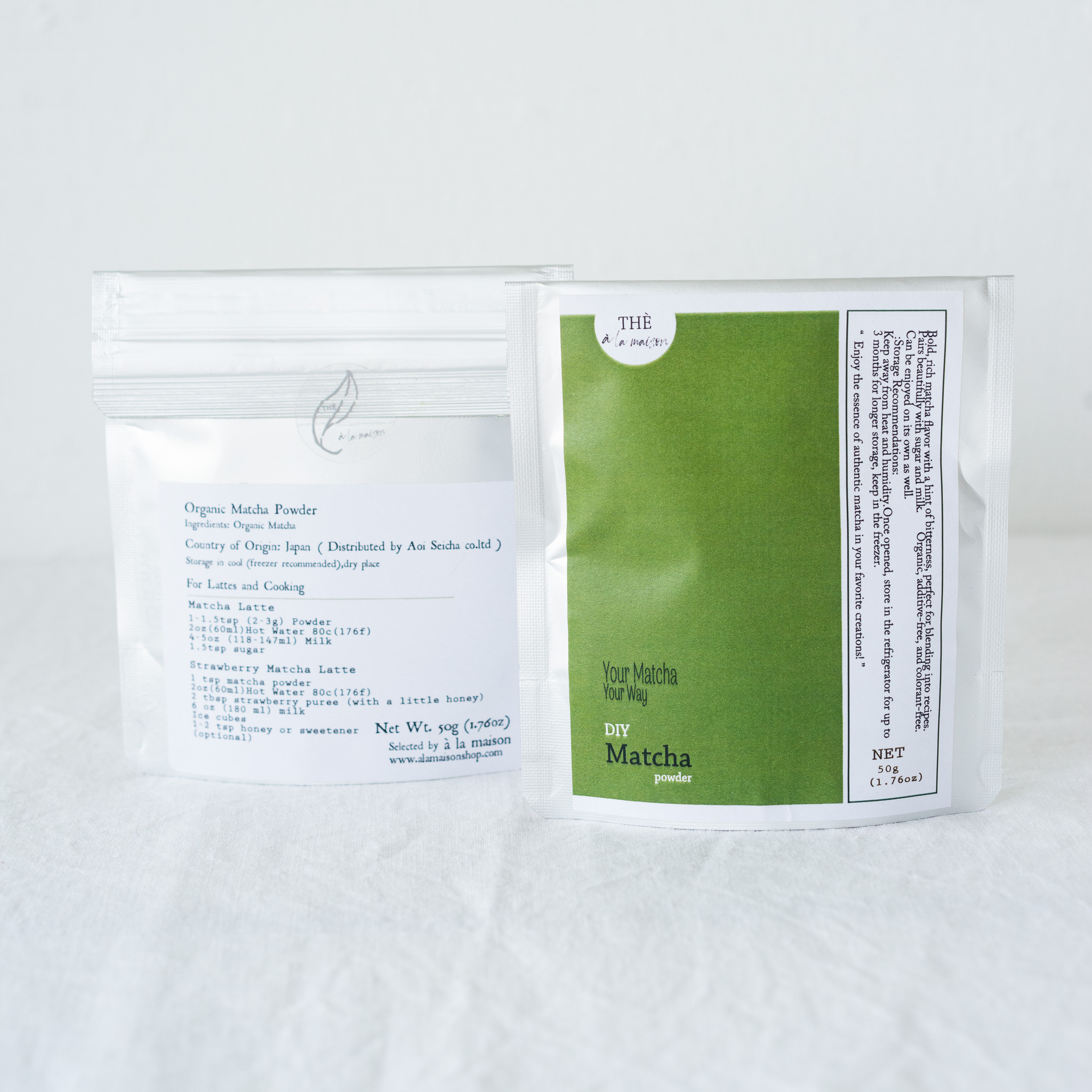
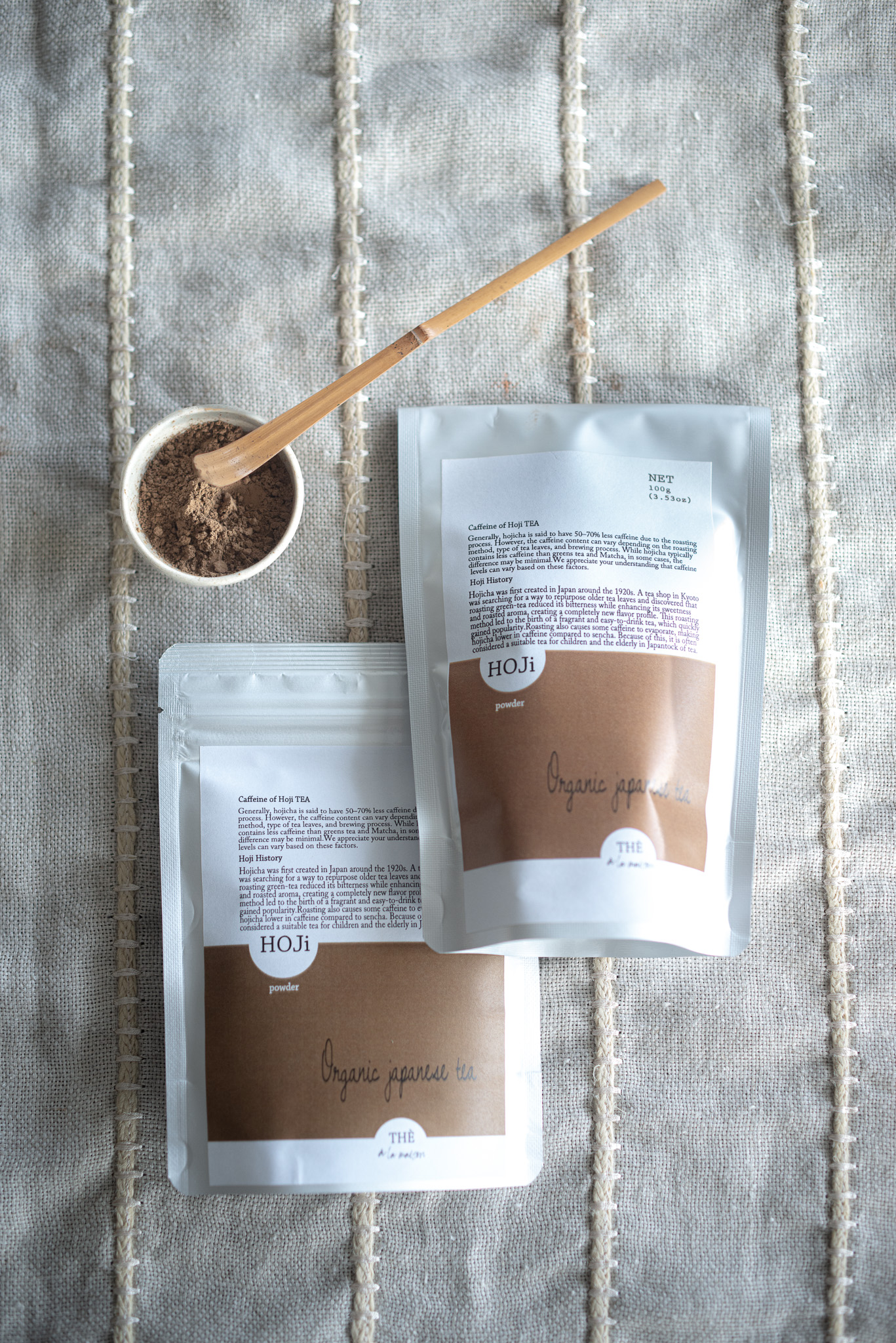
We offer a selection of five teas, all available as our original store brand:
- Ceremonial Matcha ― 3 grades: Ao, MARo, and KAKu
- DIY Matcha (for lattes)
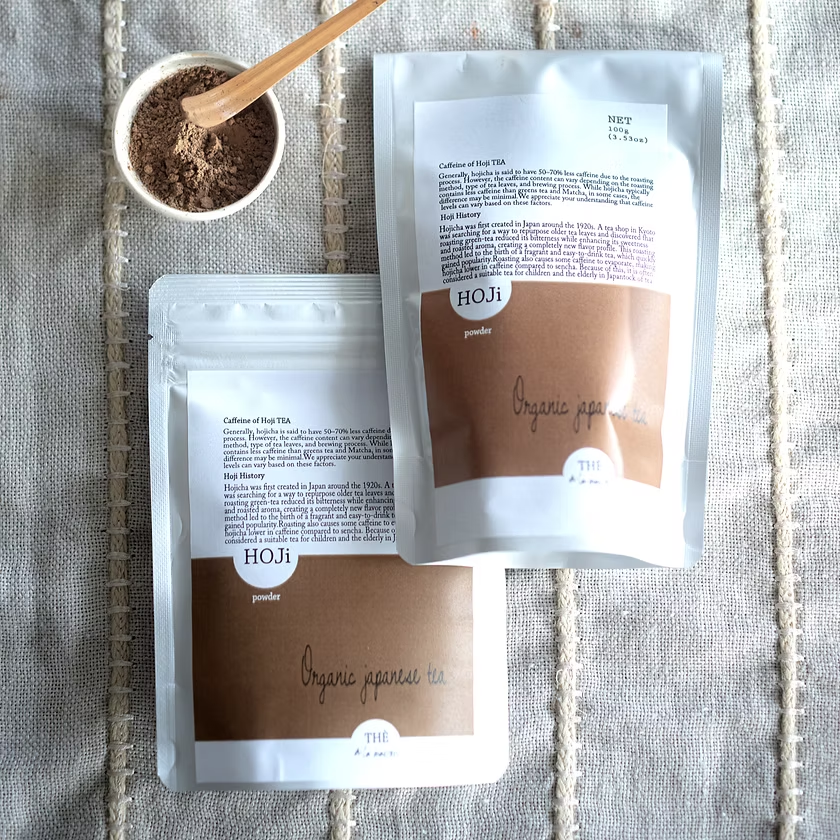
- Hojicha Powder
Each product features our own exclusive packaging design, making them truly unique to our store.
All of our teas are sourced from Aoi Seicha, a trusted producer based in Nishio City, Aichi Prefecture ― one of Japan’s most celebrated matcha-growing regions.
Before opening our store, we visited their facility in person, carefully observing the production process and confirming the outstanding quality and flavor for ourselves. Every product we carry is one we are proud to stand behind with complete confidence.
Discover the World of Japanese Tea
Matcha
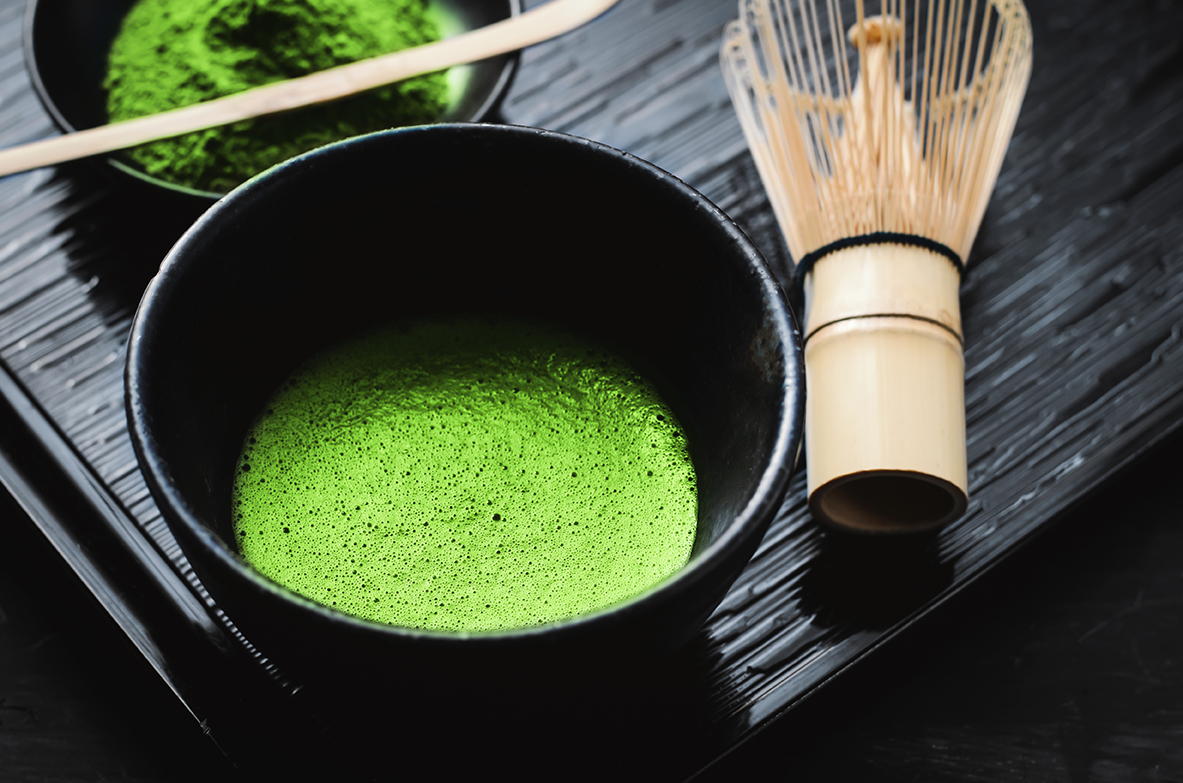
Matcha is one of Japan's most treasured traditional teas. To preserve its exceptional quality, the tea plants are carefully shaded from sunlight approximately two weeks before harvest. This process enhances the natural sweetness and umami of the leaves, while also producing their distinctive vibrant green color.
All leaves are harvested by hand, and only the second flush of tender, young leaves is selected. These carefully chosen leaves are then steamed and dried to create "tencha," which is slowly ground into a fine powder using a traditional stone mill.
Gyokuro
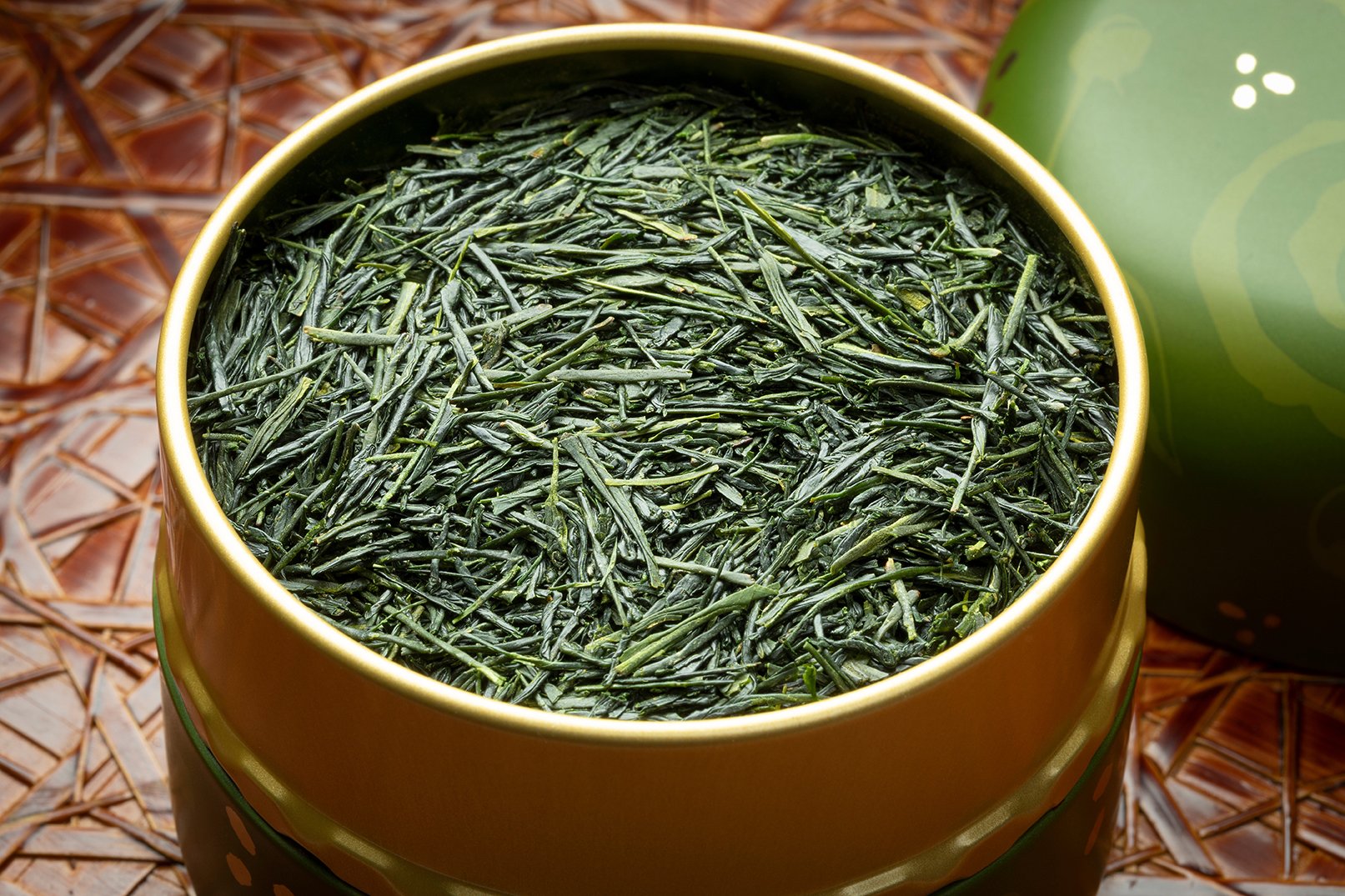
Gyokuro is one of the finest and most prestigious green teas Japan has to offer. Like matcha, it is grown using a special "covered cultivation" method, shading the tea fields for approximately two to three weeks before harvest. This suppresses bitterness while allowing theanine — the source of umami — to build up richly.
Gyokuro is best brewed slowly with water at around 122 to 140°F. Gyokuro has long been served on special occasions as a gesture of the highest hospitality.
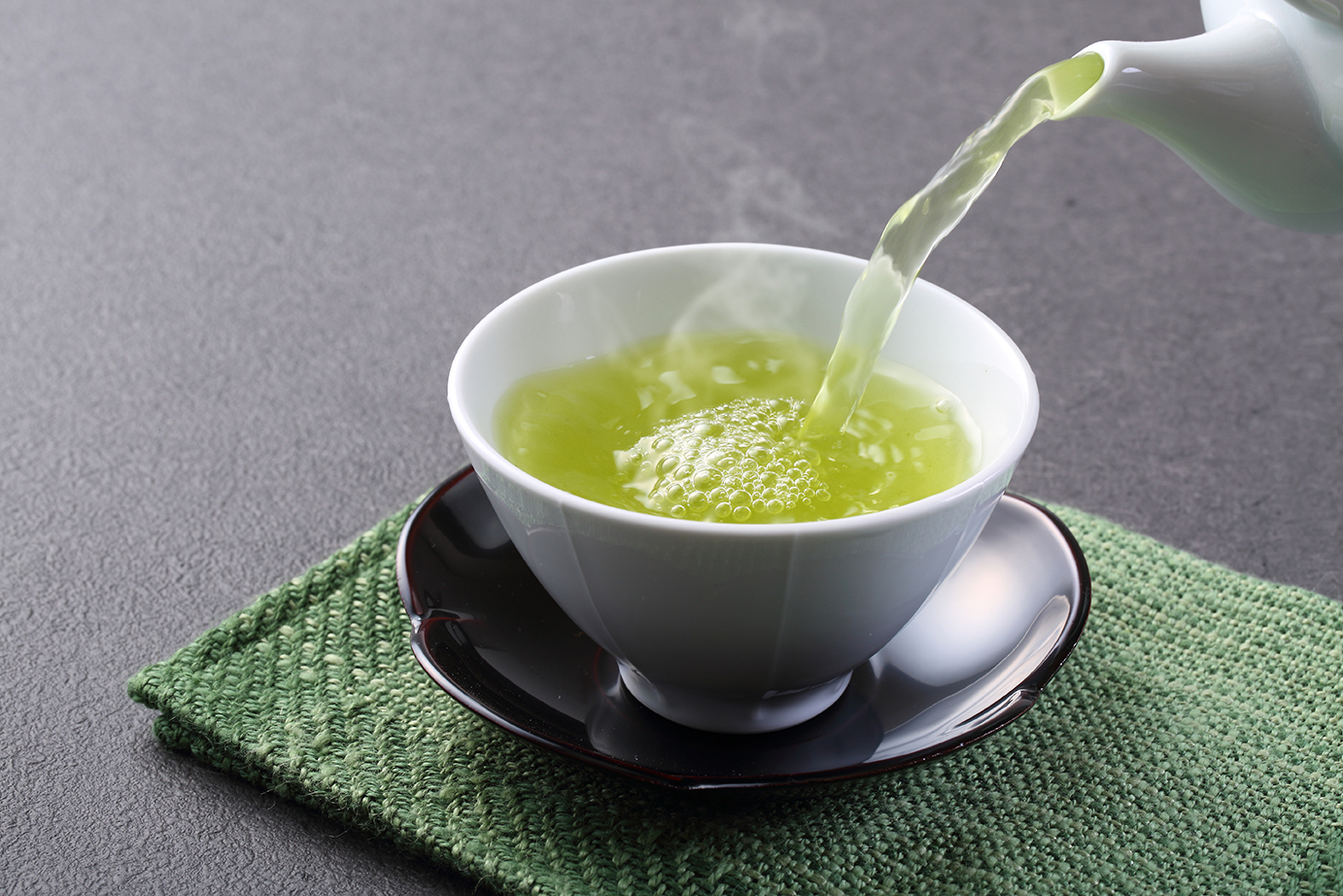
Sencha
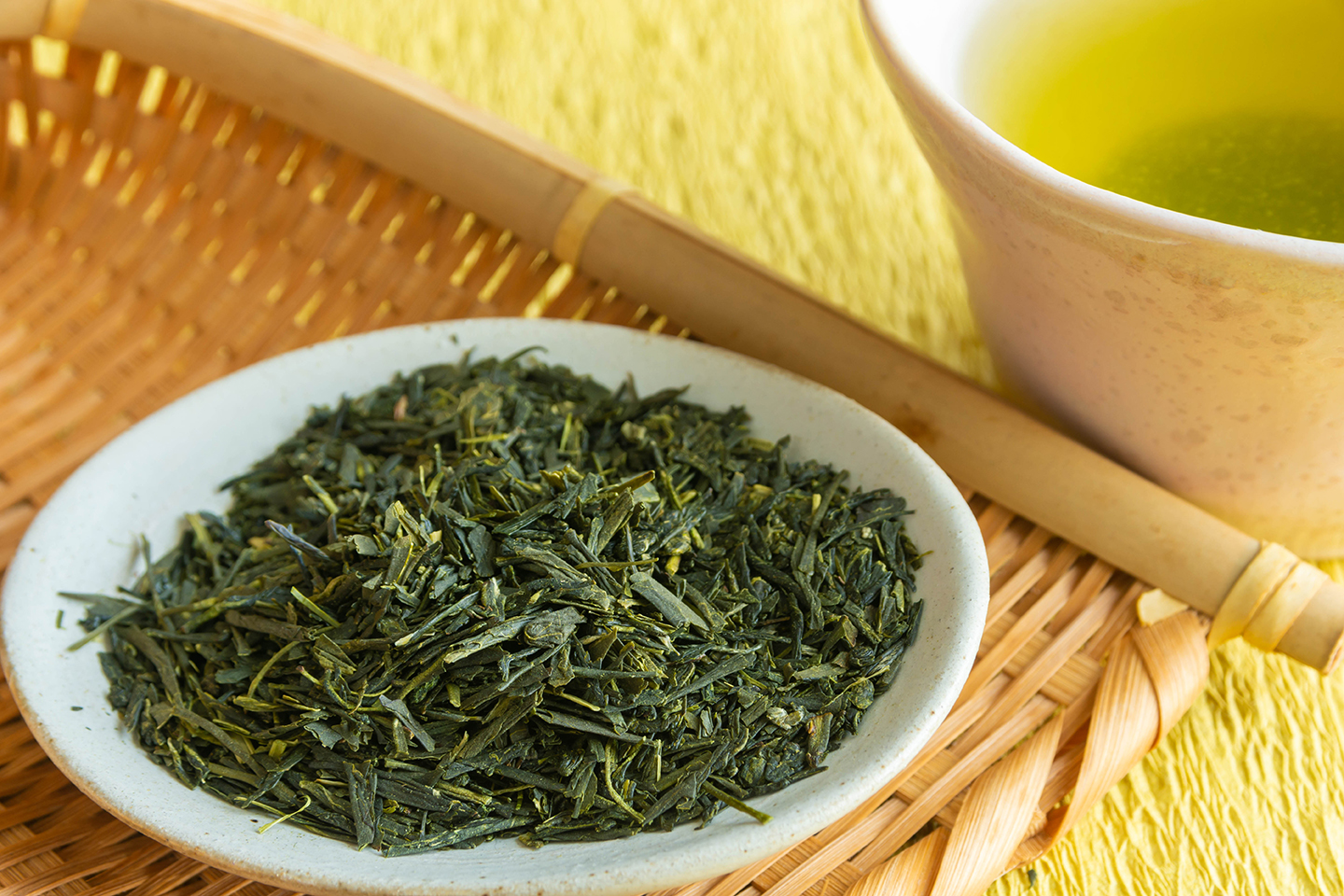
Sencha is one of the most widely enjoyed green teas in Japan. Unlike gyokuro or matcha, the tea plants are grown without any shading, soaking up plenty of natural sunlight. This open-air cultivation gives sencha its characteristic refreshing aroma and a clean, gentle sweetness.
The first picking of the season — "ichibancha" (first flush) — is considered the finest. For the best cup, brew slowly with water at around 158 to 176°F.
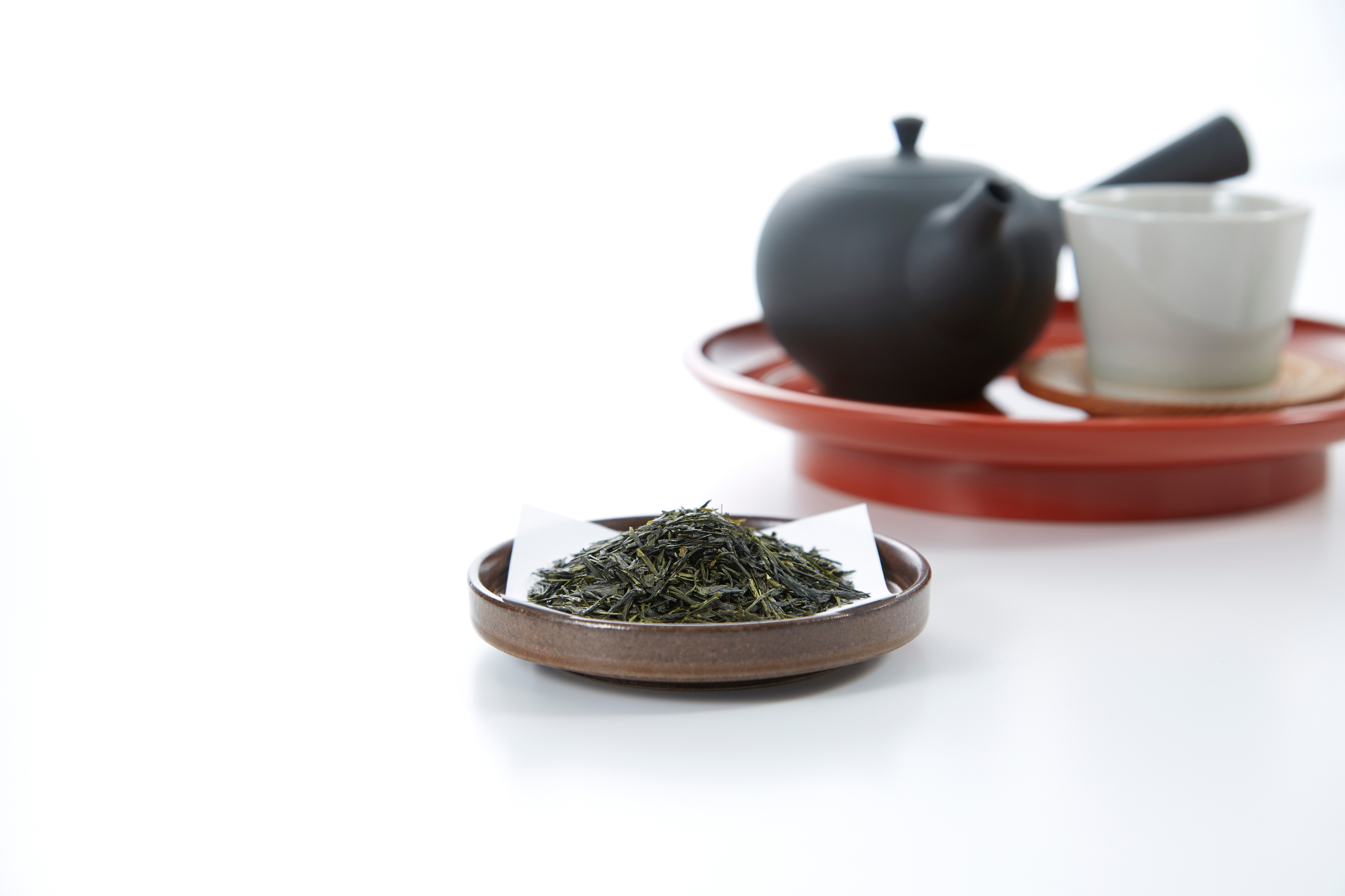
Kabusecha
Kabusecha is a uniquely characterful tea that sits between sencha and gyokuro. The tea plants are shaded from sunlight for only one to two weeks before harvest. This careful balance draws out the rich umami and sweetness reminiscent of gyokuro, while still preserving the fresh, refreshing aroma of sencha.
With its mild bitterness and outstanding harmony of umami and fragrance, kabusecha is considered one of the most approachable green teas available.
Bancha
Bancha is a type of tea made from fully grown, large or tough leaves, or from leaves that are harvested late in the season. Because caffeine concentrates in young buds, bancha is naturally low in caffeine with a refreshing, straightforward flavor.
It has long been known as an everyday tea for ordinary people — gentle and comforting, suited for everyone from children to the elderly.
Genmaicha
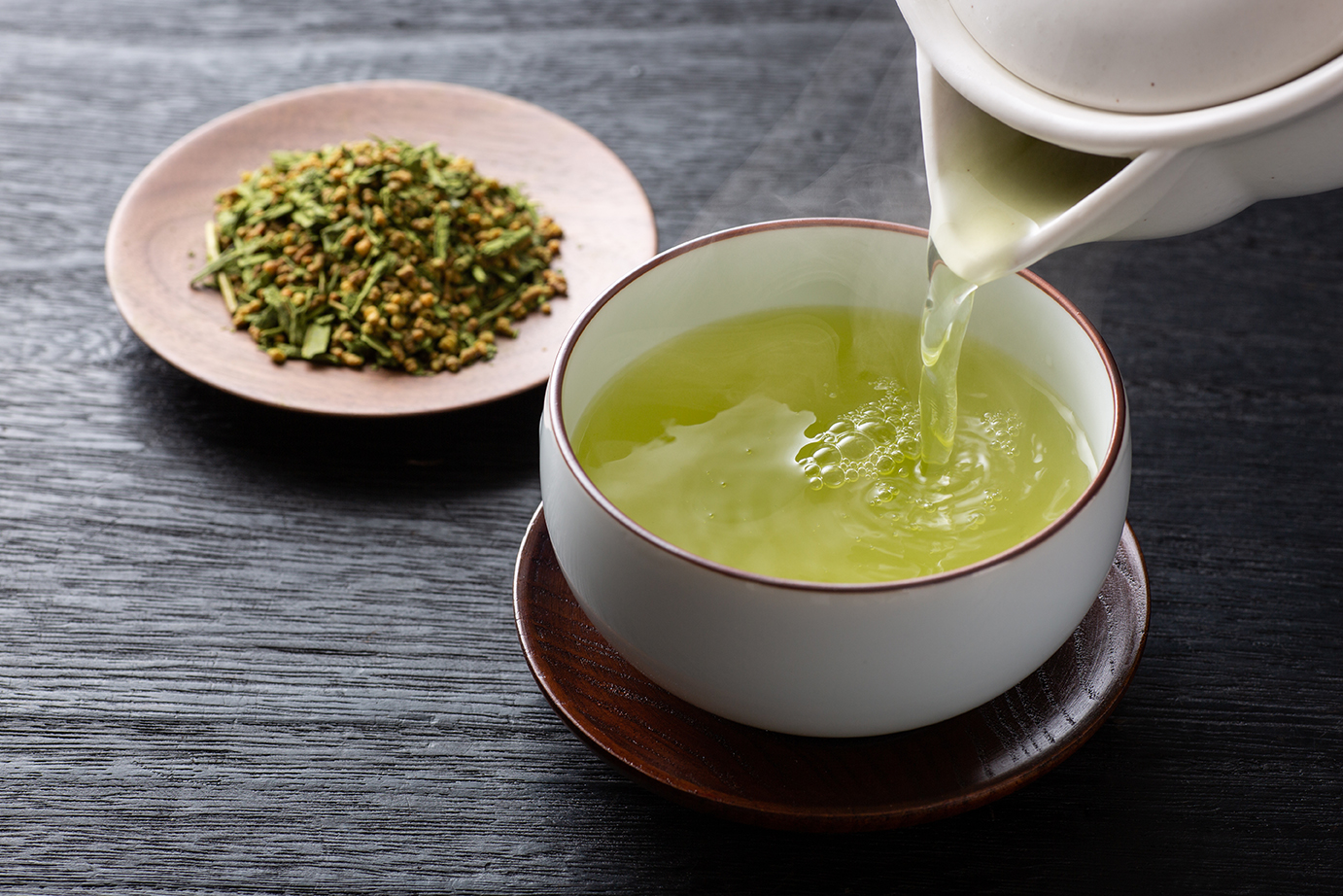
Genmaicha is a uniquely Japanese blended tea made by combining green tea with roasted brown rice. The ratio of tea leaves to brown rice is generally about half and half. The warm, nutty aroma of the roasted rice combined with the refreshing quality of green tea creates a gentle and mellow flavor enjoyed by everyone.
Simply brew with hot water at around 203 to 212°F and the toasty, comforting aroma will fill the air.
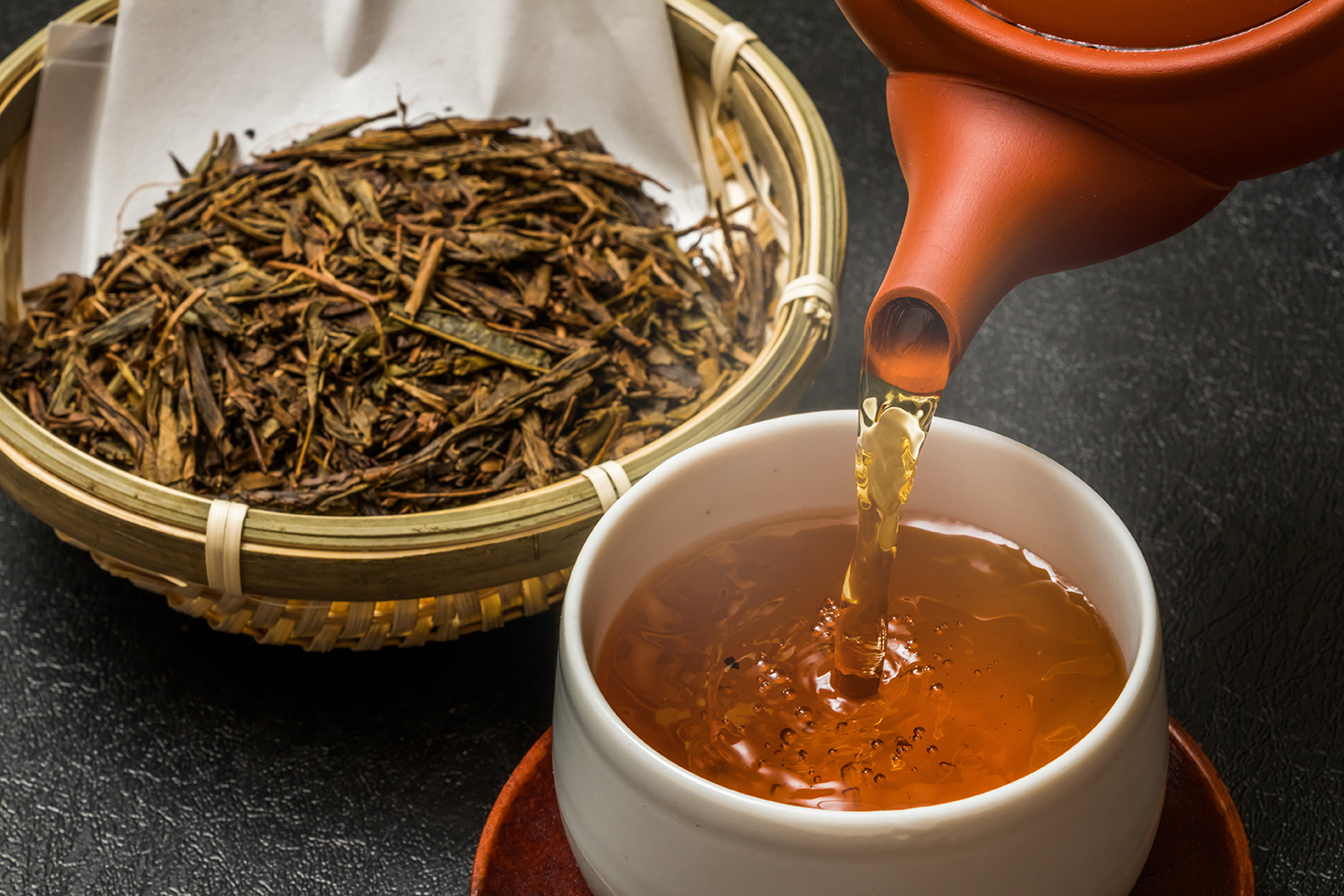
Hojicha
Hojicha is said to have originated in Uji, Kyoto, around the year 920. It began when a tea merchant decided to try roasting surplus green tea leaves over high heat — the result was a warm, toasty flavor unlike anything seen before. The roasting reduces caffeine content, making it body-friendly.
Once a humble everyday tea, hojicha has risen to global fame, with the hojicha latte captivating people around the world.
What is Wakoucha
Wakoucha (和紅茶), or Japanese black tea, is produced in Japan using the same tea leaves as green tea. While widely exported around 100 years ago, production eventually ceased — only to be revived 30 to 40 years ago with renewed Japanese craftsmanship. The result is a floral, smooth, and richly nuanced black tea.
In 2022, wakoucha earned top prize at "The Leafies," the prestigious UK tea competition, bringing Japanese black tea to the attention of the world.
About tea utensils
Japanese tea ware
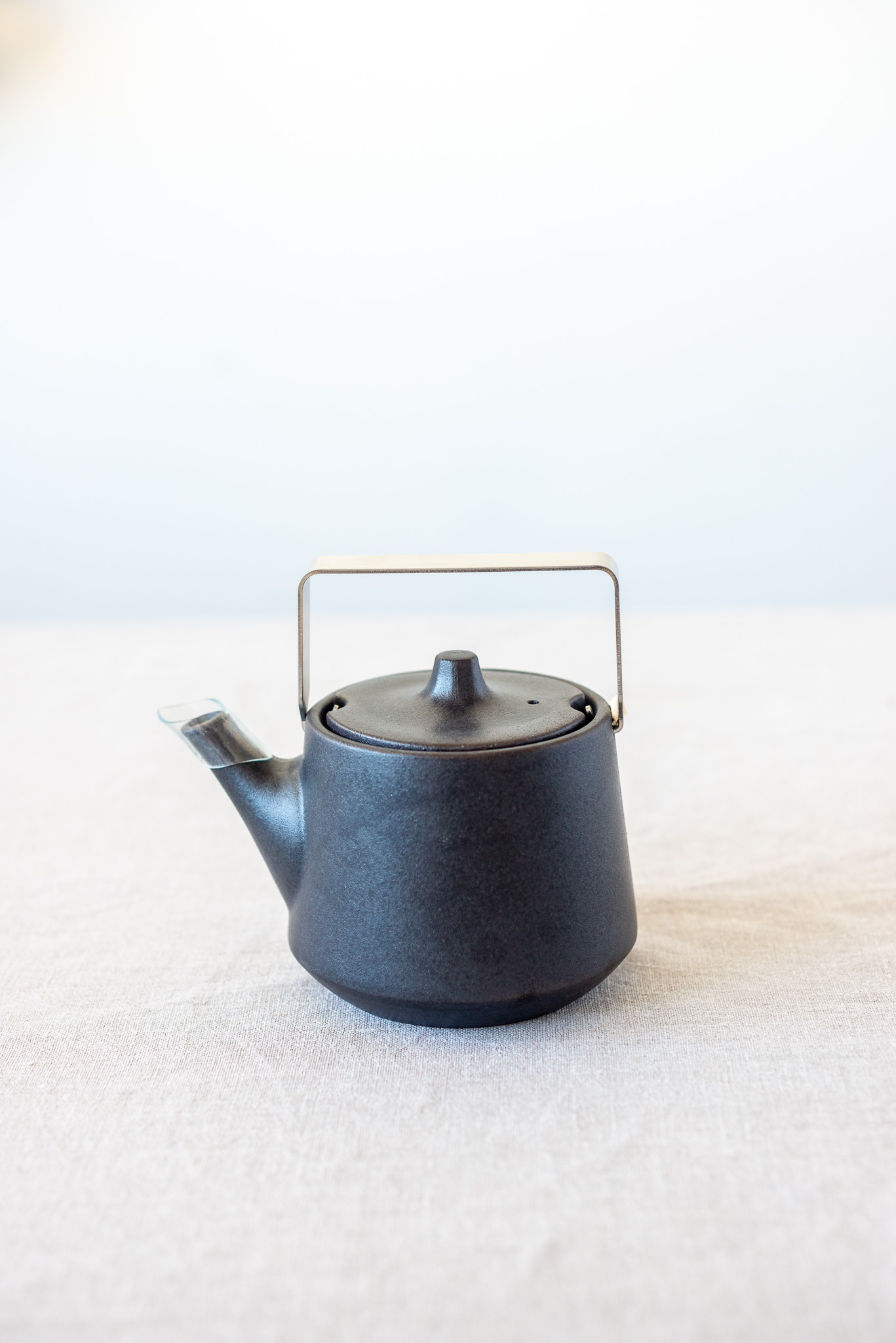
Kyusu
Japanese Teapot The kyusu is the traditional Japanese teapot used to brew sencha, kabusecha, genmaicha, hojicha, bō hojicha, gyokuro, and wakoucha. Available in a variety of materials including ceramic, porcelain, and cast iron, the kyusu features a built-in strainer that keeps tea leaves out of the cup.
Choosing a kyusu that suits both the tea and your personal taste is one of the many pleasures of Japanese tea culture.
Yuzamashi
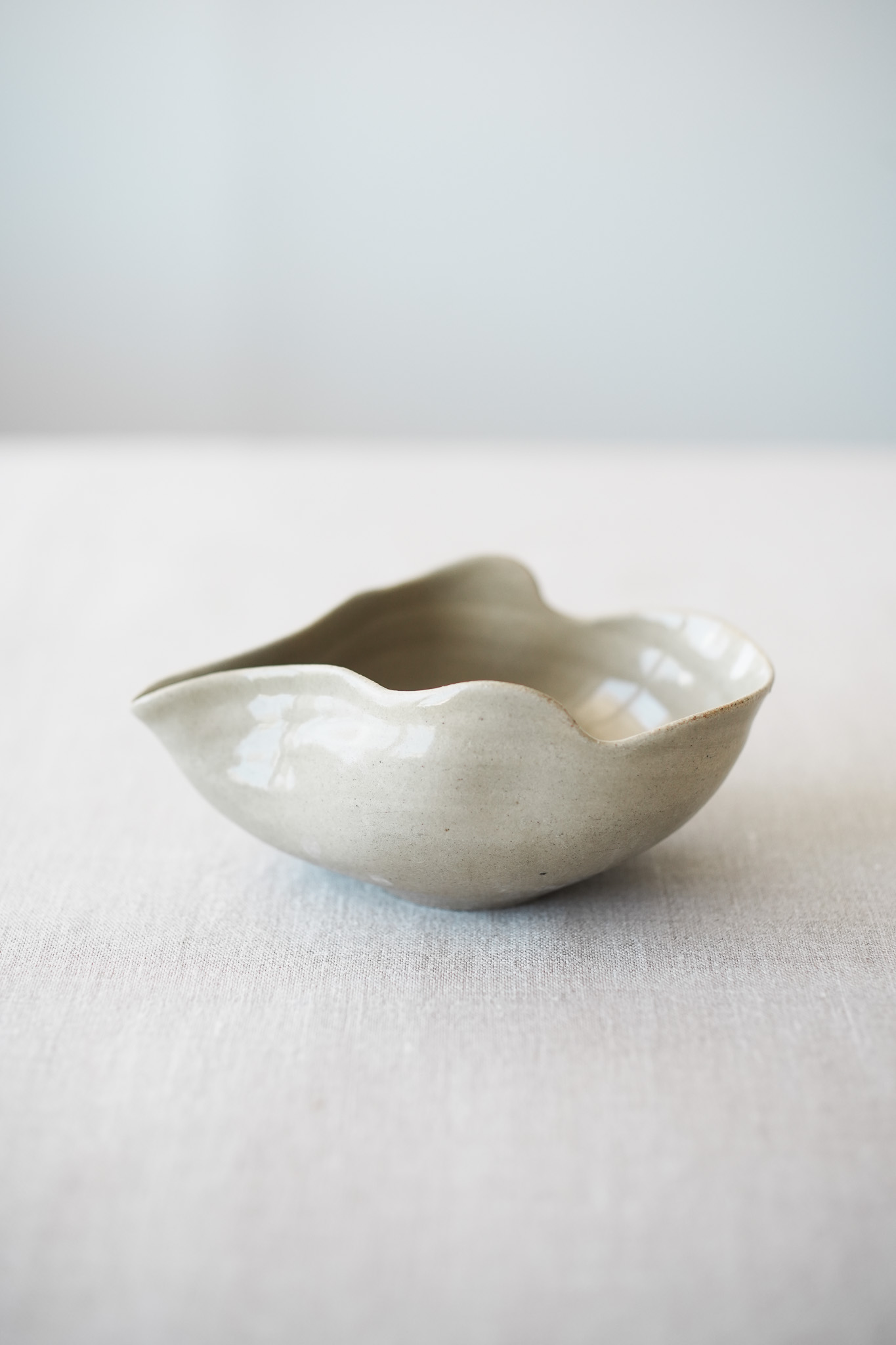
Water Cooler The yuzamashi is a small pitcher used to cool boiling water down to the ideal temperature before pouring it into the kyusu. It is an essential tool when brewing teas that require lower water temperatures, such as gyokuro and sencha.
By pouring freshly boiled water into the yuzamashi first, the temperature drops naturally, allowing the tea's umami and sweetness to be drawn out to their fullest. Yuzamashi are typically made from ceramic or porcelain and are often sold as a matching set with the kyusu. The yuzamashi also serves a second purpose — after brewing, it is used to distribute the tea evenly among multiple yunomi cups, ensuring that every guest receives the same strength and amount of tea. This practice reflects the Japanese spirit of care and attention to detail in every aspect of tea preparation.
Yunomi
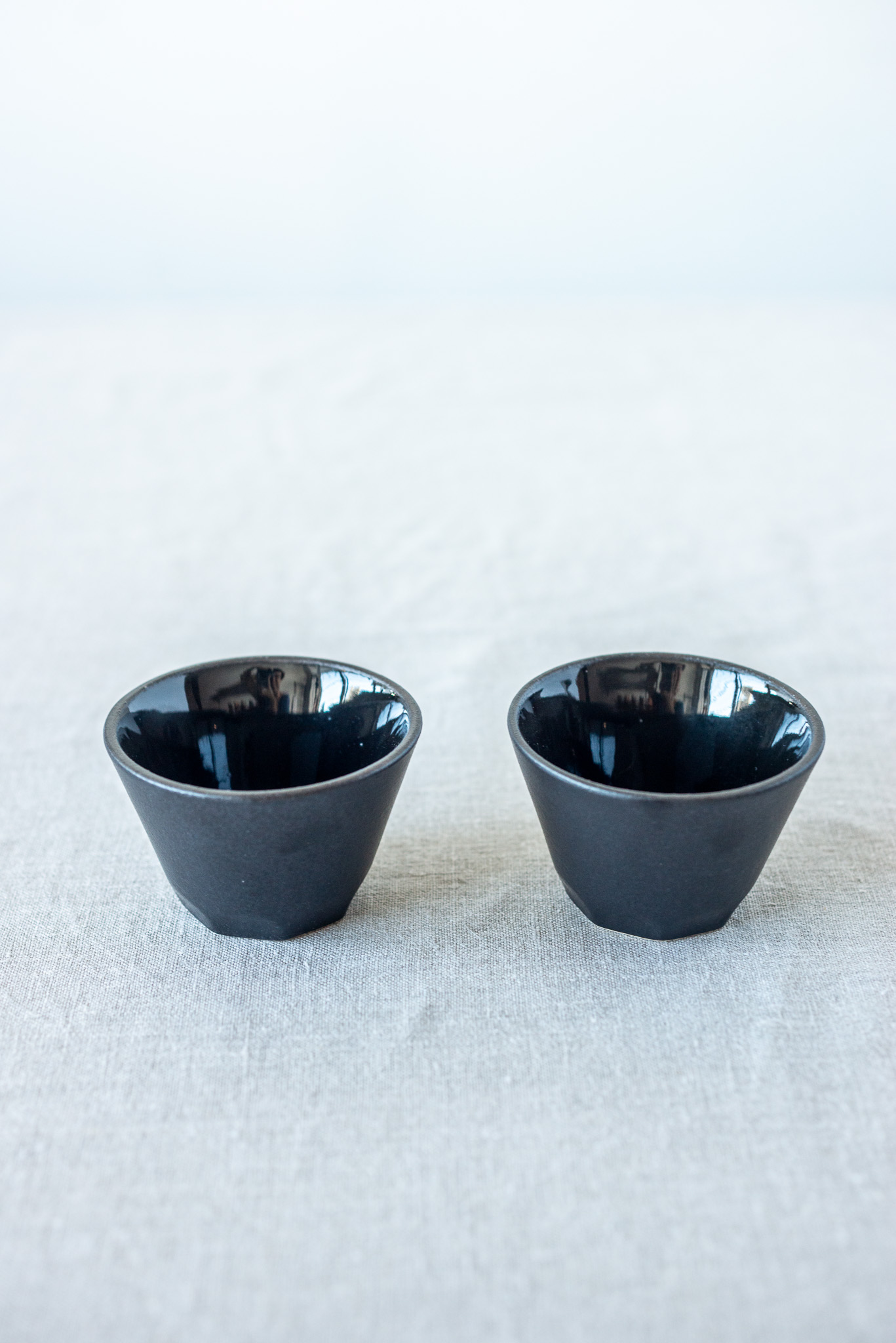
Japanese Teacup The yunomi is the traditional Japanese cup used for drinking tea. Unlike Western teacups, it has no handle — it is cradled in both hands, allowing you to feel the gentle warmth of the tea as you drink.
Yunomi are typically made from ceramic or porcelain and come in a wide variety of shapes and designs. The size and form of the yunomi often varies by tea type — smaller cups are traditionally used for gyokuro, while larger ones are preferred for sencha and everyday teas.
Matcha and Tea latte tools
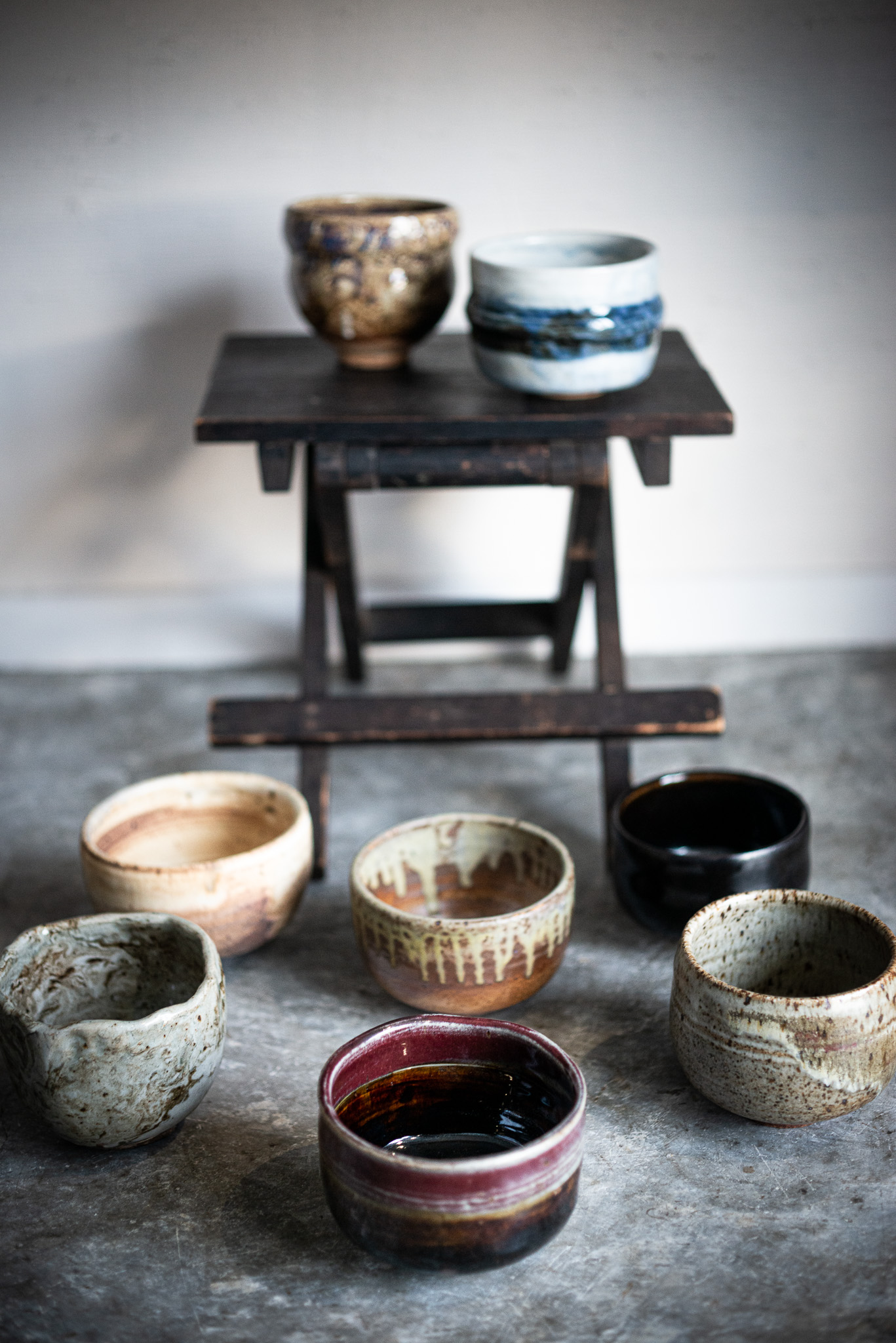
Chawan
Matcha Bowl The chawan is a bowl used exclusively for preparing matcha. Wider and deeper than a yunomi, it provides ample space for whisking the tea comfortably.
Chawan come in an endless variety of materials, colors, and forms, and in the traditional tea ceremony, different bowls are chosen to reflect the season and occasion.
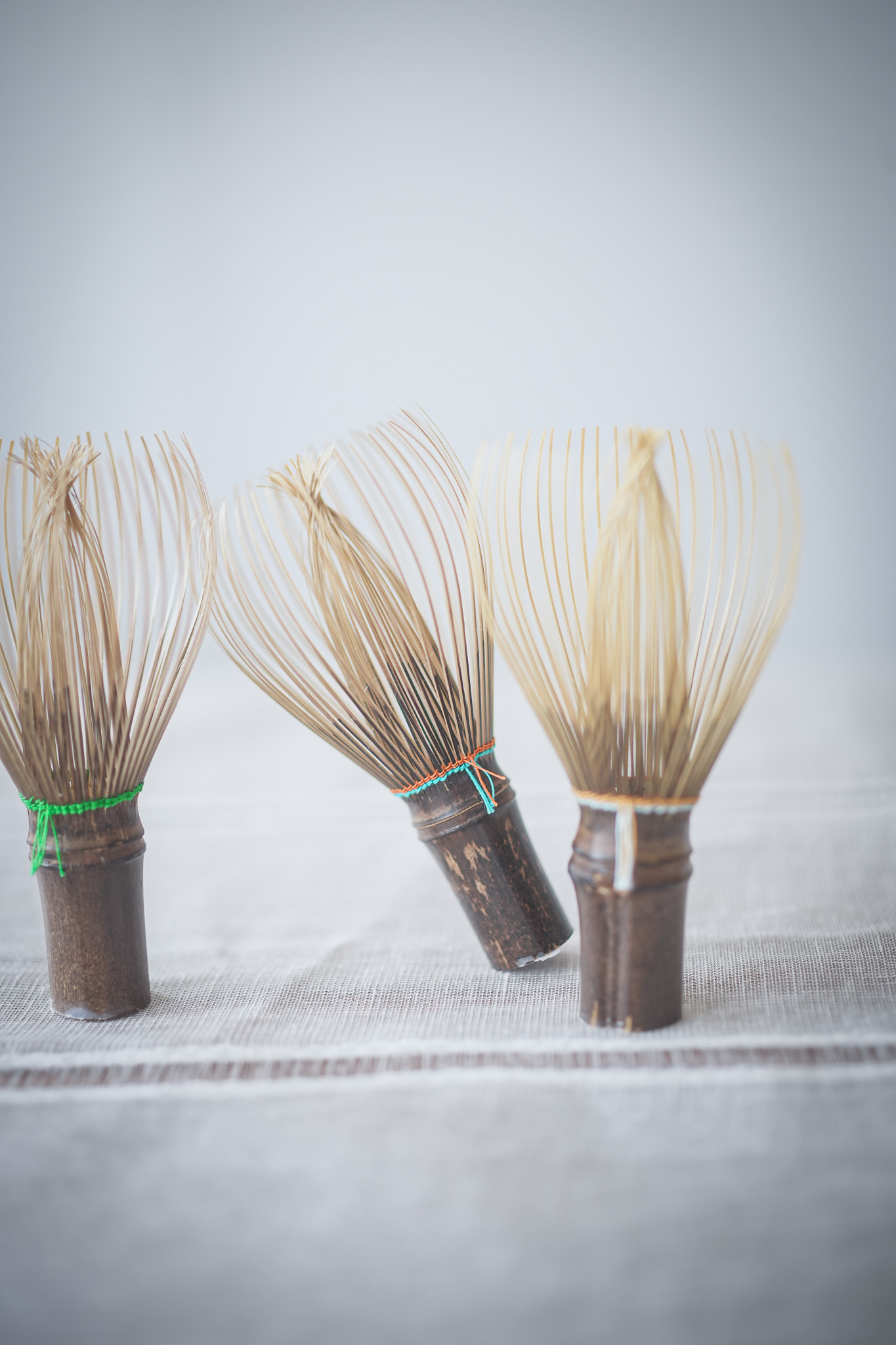
Chasen
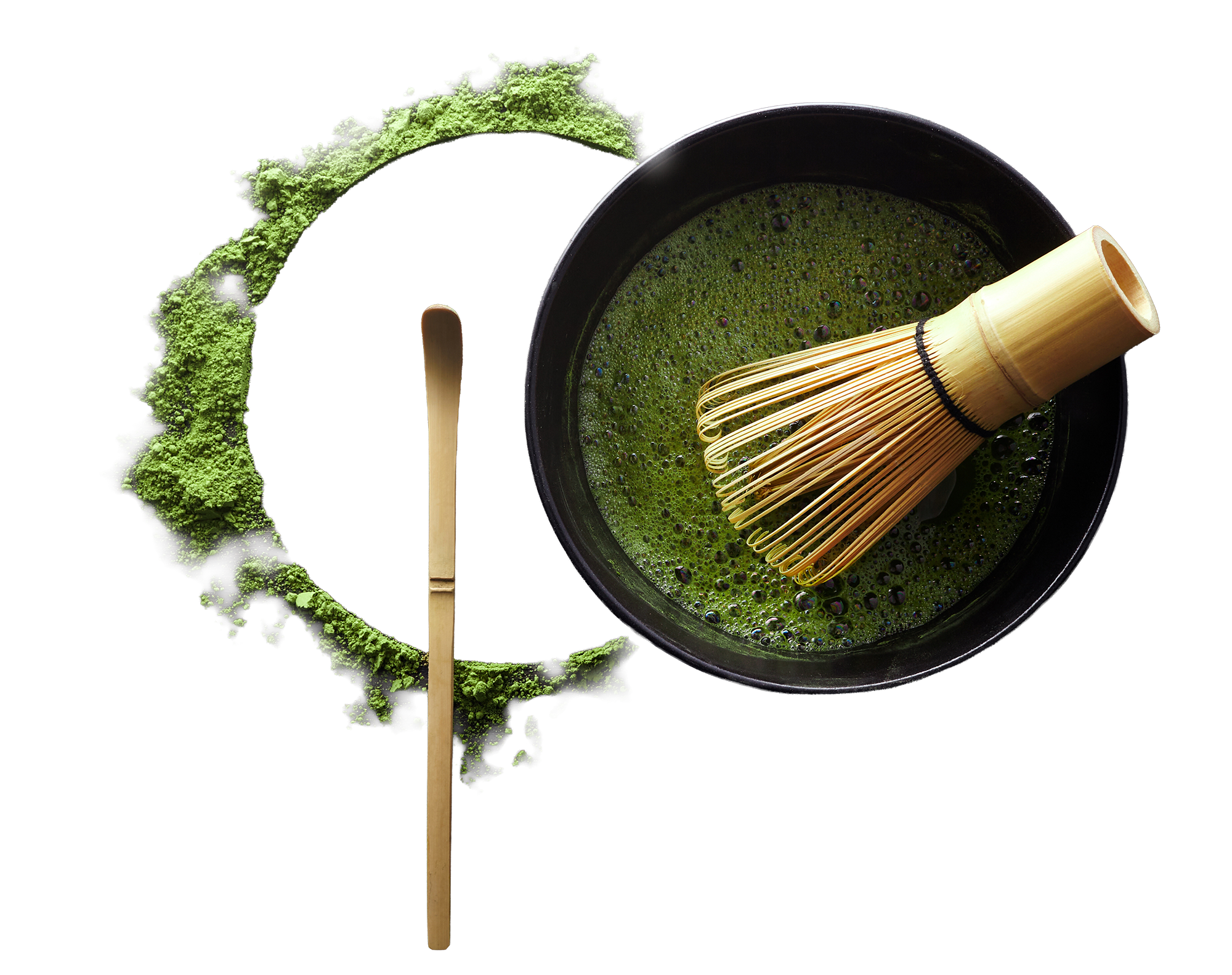
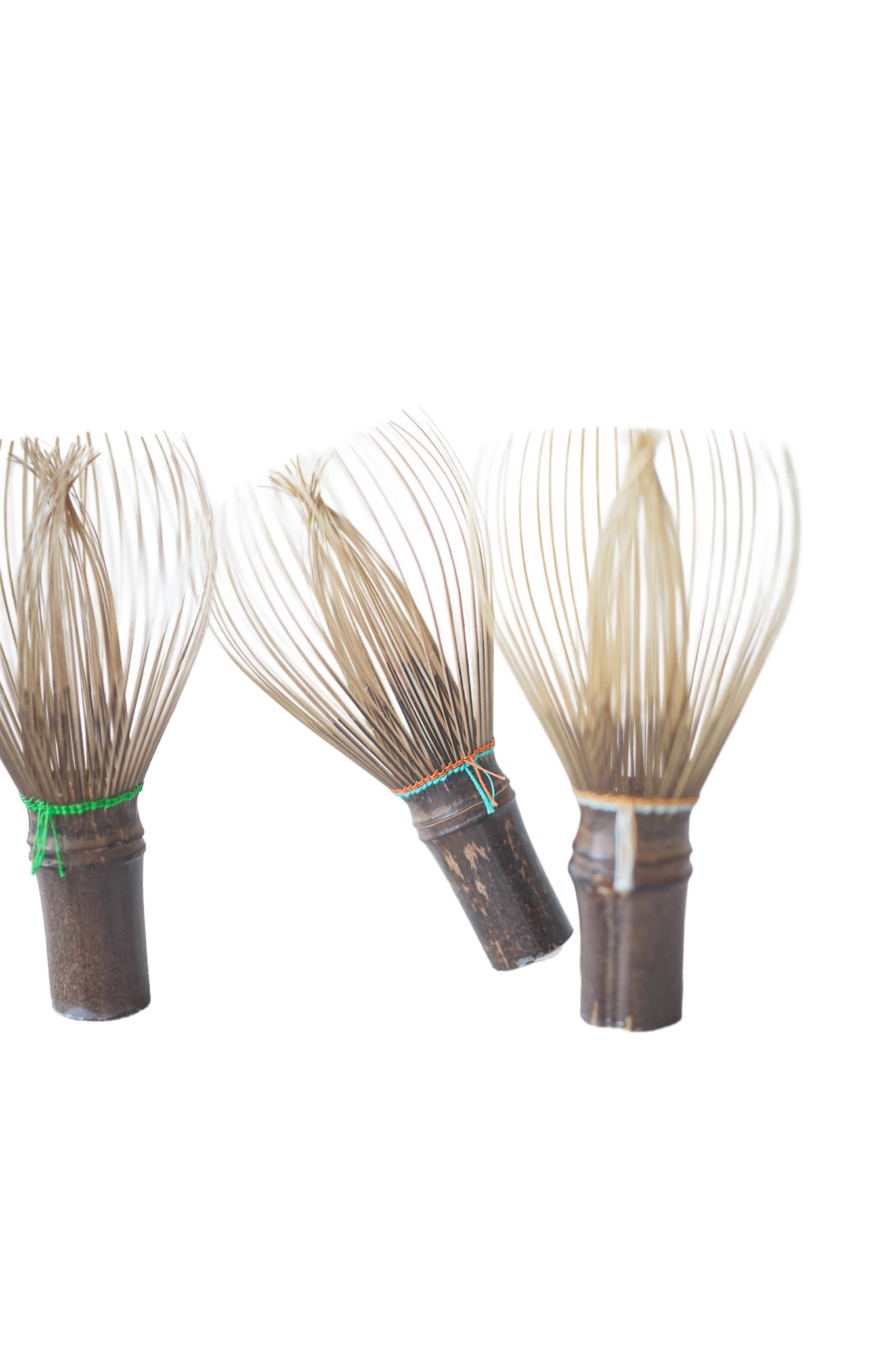
Bamboo Whisk The chasen is a delicate bamboo whisk used to prepare matcha. Its finely split bamboo tines quickly blend hot water and matcha powder into a smooth, frothy cup.
Each chasen is handcrafted by skilled artisans, and its elegant form is a work of art in itself.
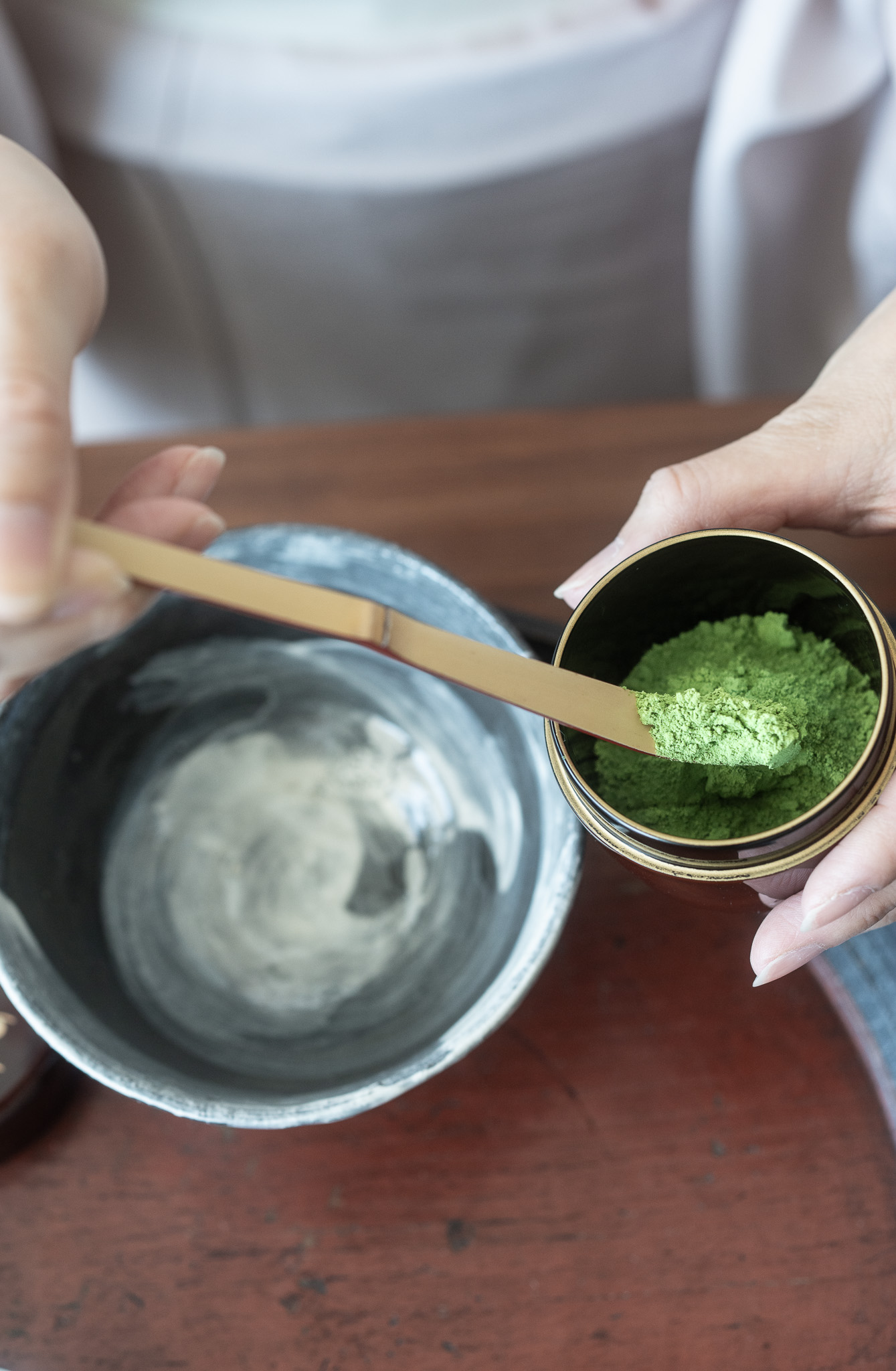
Chashaku
Bamboo Scoop The chashaku is a small bamboo scoop used to measure and transfer matcha powder into the chawan. It is an indispensable tool in the Japanese tea ceremony.
Every single one is carefully carved by hand — no two are exactly alike. One scoop measures approximately 1g of matcha.
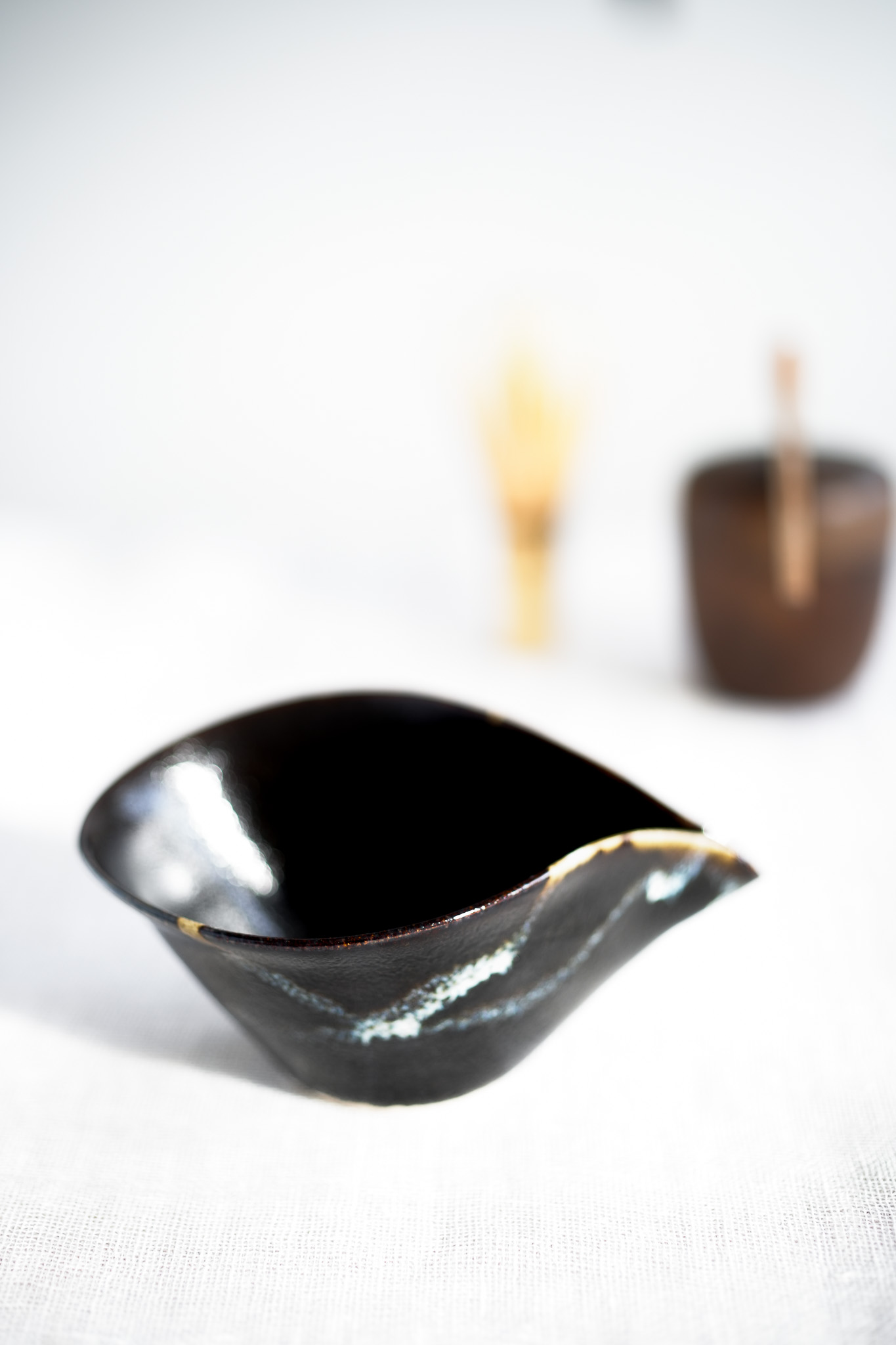
Katakuchi
Spouted Pouring Bowl The katakuchi is one of the most practical and versatile tools in the matcha kitchen. Matcha can be whisked directly inside the katakuchi, and once prepared, poured straight into milk with ease — making it the perfect tool for anyone who loves making matcha lattes at home.
Its single spout allows for smooth, precise pouring, giving you full control over how the matcha flows into the milk. Simple yet beautifully functional, the katakuchi pairs elegantly with the chawan and chasen, bringing both practicality and a touch of Japanese elegance to your everyday matcha ritual.
l’expérience à la maison
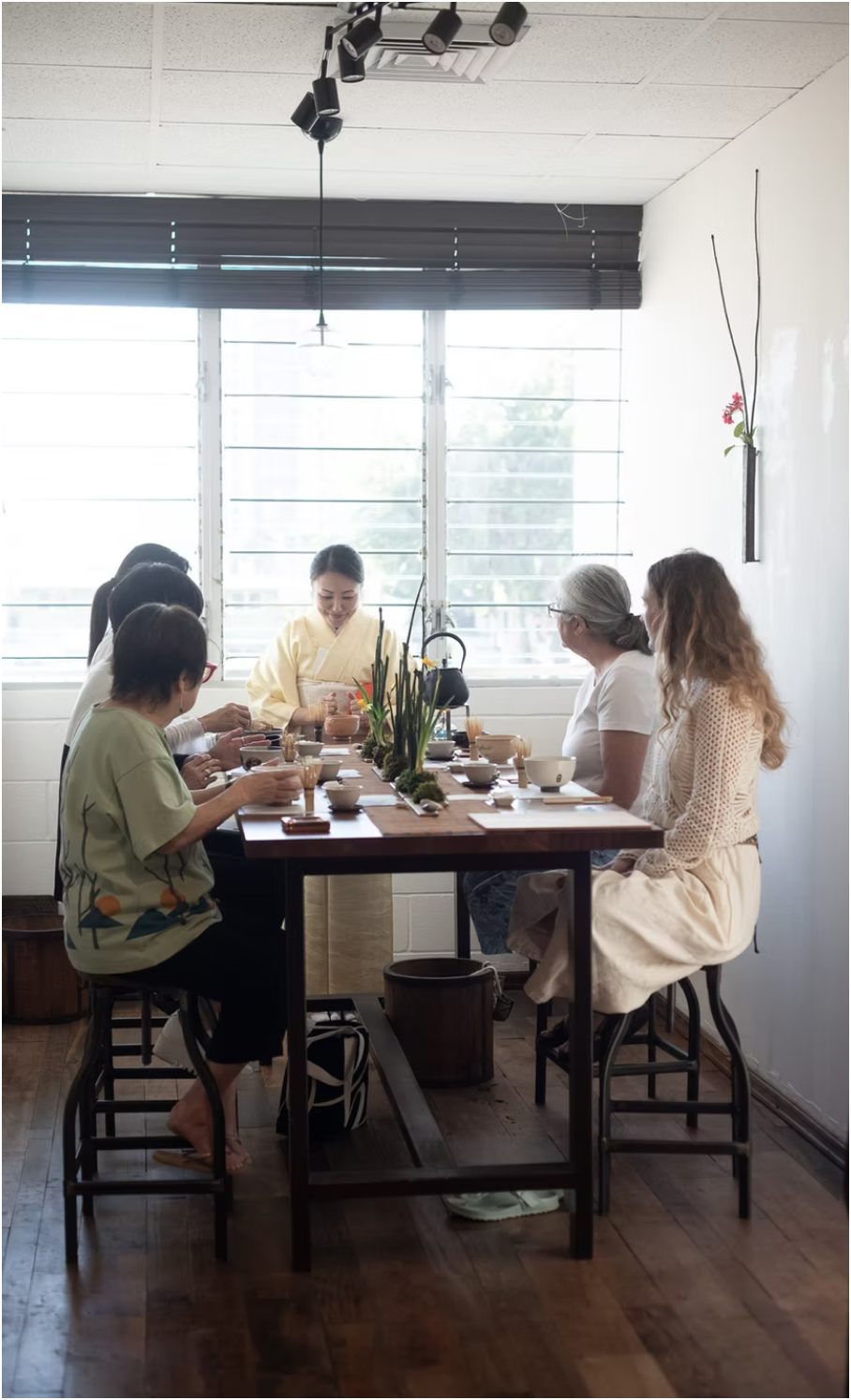
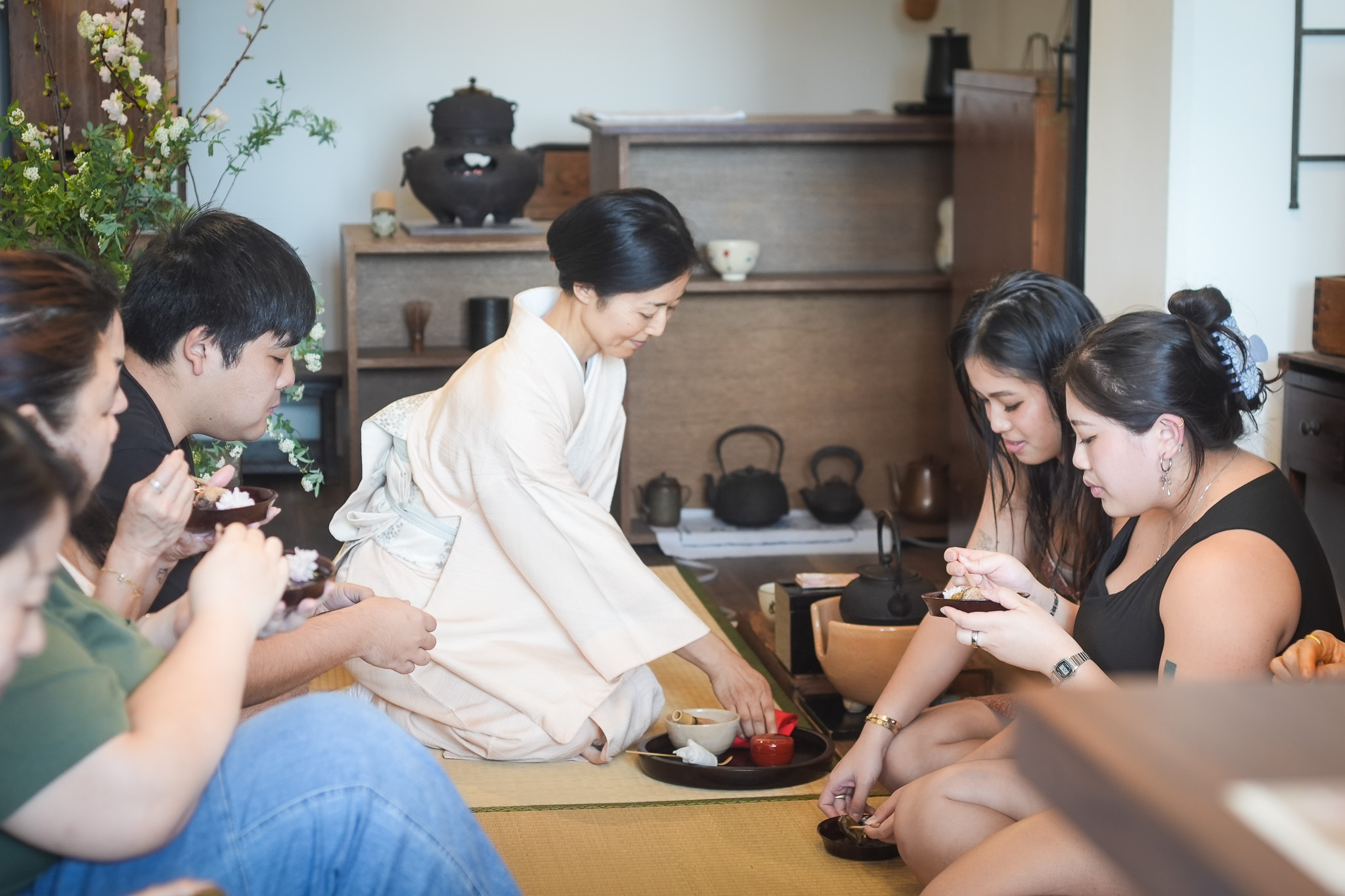
Tea ceremony by à la maison
The tea gatherings at “à la maison” are thoughtfully designed to engage all five senses — from the stylish, seasonally inspired décor that is so uniquely “à la maison”, to the carefully selected sweets that reflect the beauty of each passing season.
Whether you have always been curious about the art of the Japanese tea ceremony, or simply wish to immerse yourself in Japanese culture, we warmly invite you to experience one of our distinctive and heartfelt tea gatherings.
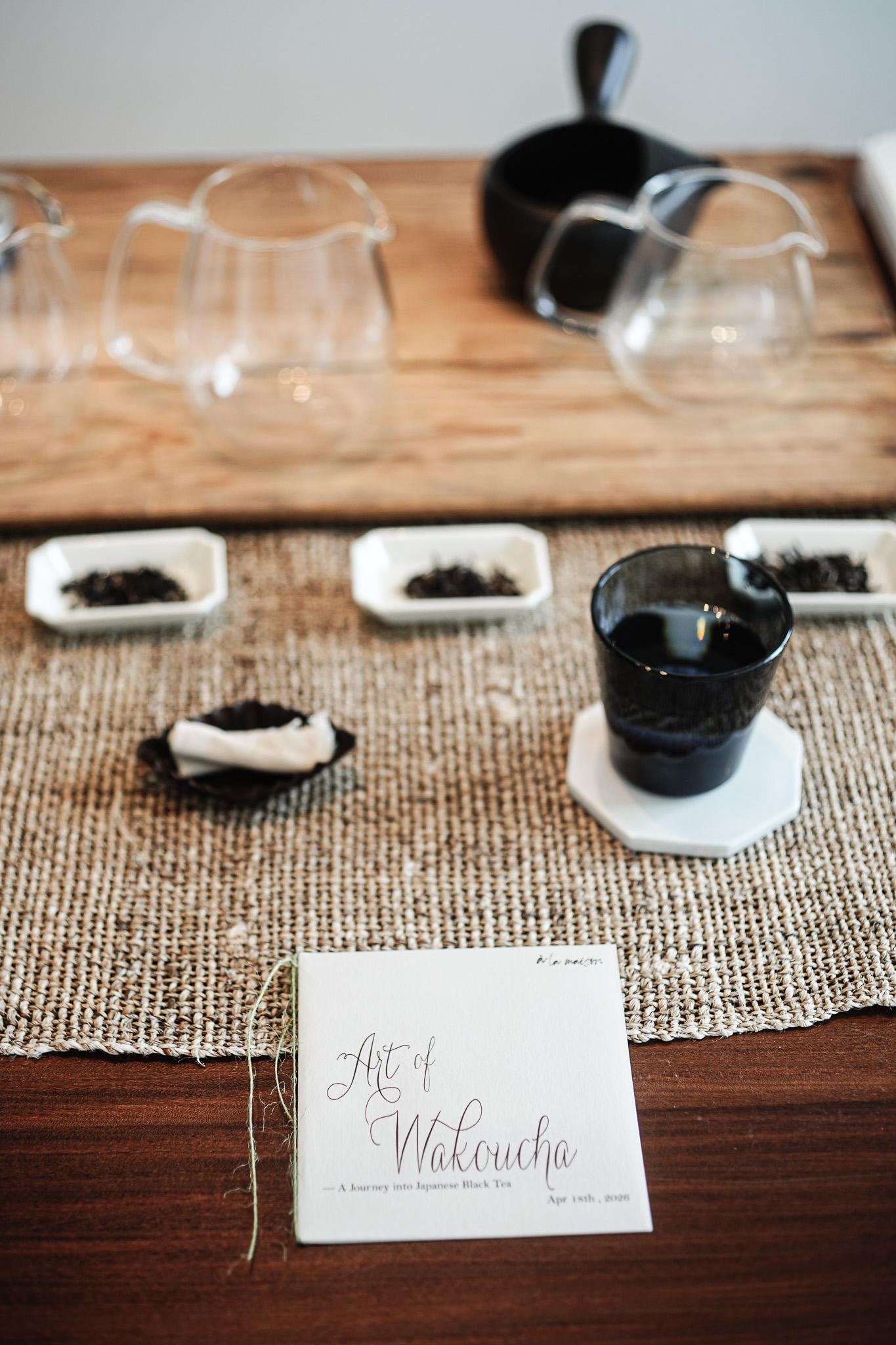
At “l’expérience”, we also host Japanese tea tasting events, where guests are invited to explore and compare a variety of Japan’s finest teas. Accompanied by homemade sweets and traditional Japanese confections, it is a truly extraordinary experience — one that can only be found here, in Honolulu, Hawaii.